

After pre-treatment such as bag-breaking and primary magnetic separation, the waste is removed from non-combustible materials such as metal, glass and sand, and the combustible materials in the waste (such as plastic, fibre, rubber, wood and food waste) are fed into the primary shredder, shredded into easily dryable pieces and then sent to the dryer via a conveyor. The moisture content is adjusted by controlling the hot air so that the material moisture is reduced to less than 8%. The dried flue gas is discharged through the dust remover and the dried material is sent to the wind separator after the second magnetic separation.
The non-combustible material (ash, broken glass, metal shavings, etc.) is removed again and sent to the secondary shredder, where the material is shredded into small, easily formed particles, to which a certain amount of chemical is added, and then sent to the forming machine. The RDF is produced continuously by the forming machine, then cooled and sent through a vibrating screen into a hopper for the finished product, which is bagged by an automatic weighing machine, while the unqualified material is returned for re-forming.
Cutting and sorting process for RDF tablets:
- Primary crusher (open bags and grinding), the size of the material after cutting <30 cm
- Bringing materials to magnetic separating machine (black metal separation)
- Metal filtration sieve (separating small debris)
- Bringing materials to small debris
- Bringing materials to heavy debris
- The drum rotates the material (eliminating heavy debris)
- Machine magnetic separation (black metal separation)
- Double Double Material Crusher (about 50mm RDF output)
- The conveyor brings materials to the RDF tablet process
Fuel tablets from waste can be used as fuel for upload kilns. In Europe, more than 70% of energy consumed for cement production produced from the use of RDF tablets.
Adventures:
- Benefits of Refuse-Derived Fuel & Solid Recovered Fuel System
- Powerful and reliable pre-shredding and secondary shredding machine.
- All biodegradable fraction and incombustible fraction(mineral) full separation.
- Optimum material recycling, reduced machine expenditure and energy input.
- The fuel composition, pellet size, and grinding can be matched in the process and adjusted to the needs of the user.
Material Solutions: waste plastic, FRP, garden waste, textile waste, wood, scrap metal, pallet, electronic, paper & cardboad, organic waste, bulky waste, medical waste, fruit & vegetable, dead animal, hard drive, rubber waste, scrap car, aluminum waste.
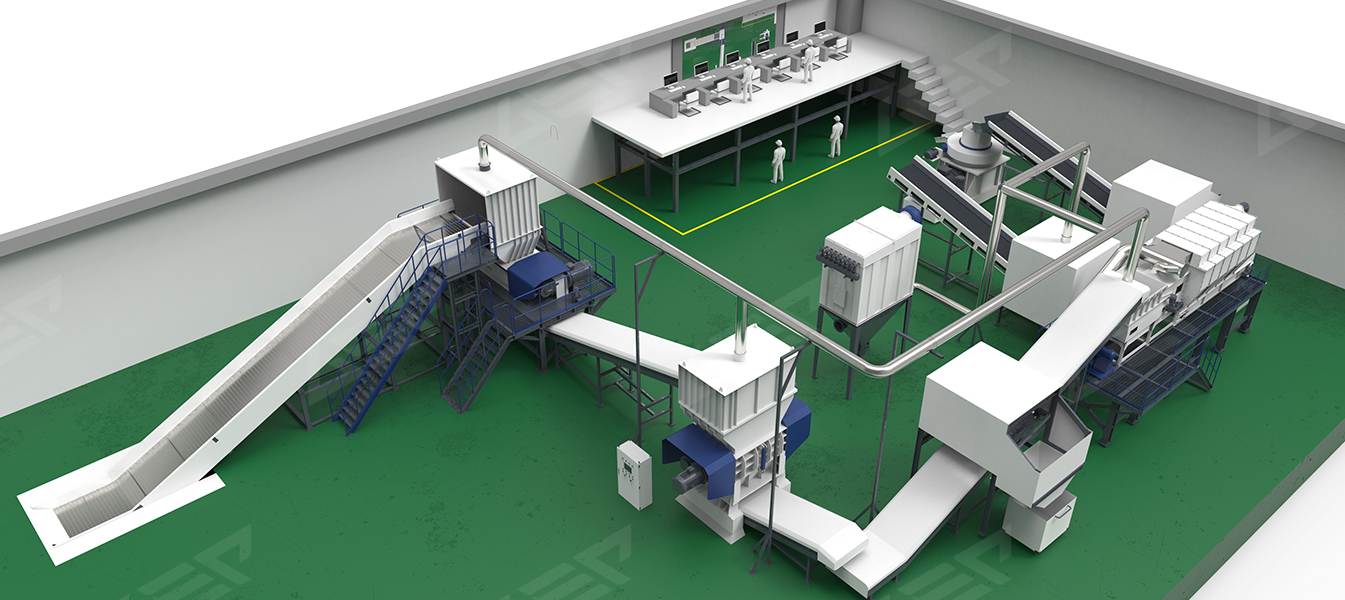
Refuse-Derived Fuel (RDF) & Solid Recovered Fuel System